This guide explains how Worldline Issuing supports payment-card programmes through issuing technology, processing capabilities, digital integration, and operational services. It examines the roles of issuers, programme managers, card schemes, and processors, while outlining implementation stages, security obligations, commercial considerations, and operational risks. Worldline is a European payments technology provider, and the precise scope of its issuing services depends on the market, product design, regulatory structure, and contractual arrangement.
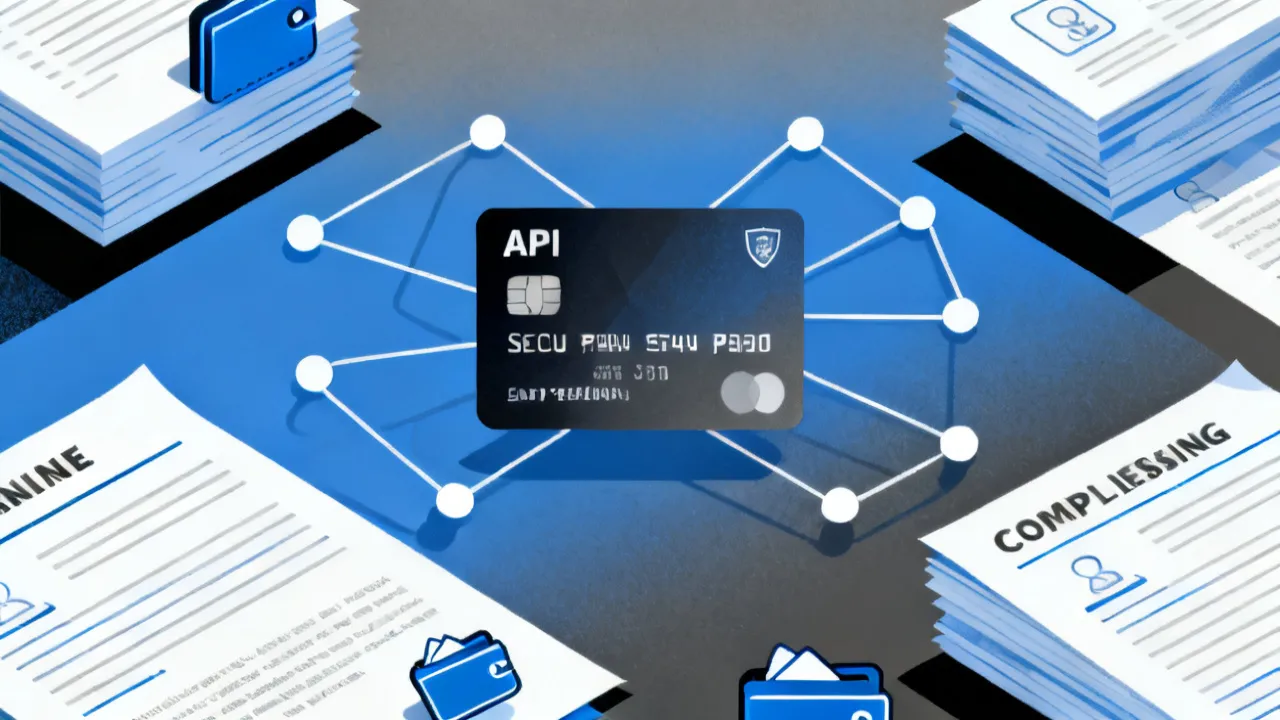
Worldline Issuing refers to the technology, processing, and operational capabilities used to create and manage payment-card programmes through Worldline’s issuing infrastructure. Depending on the market and contractual model, this may support debit cards, credit cards, prepaid products, virtual cards, commercial cards, expense solutions, embedded-finance propositions, or other account-linked payment instruments.
The important point for prospective customers is that card issuing is not a single product. It is a coordinated operating model involving several parties. A programme may require a regulated issuer, a card scheme such as Visa or Mastercard, a processing platform, a card manufacturer, a personalisation bureau, a digital-wallet connection, fraud controls, customer support, and reporting systems. Worldline may contribute to one or several of these layers, but the exact allocation of responsibilities must be confirmed during commercial and technical assessment.
From an industry perspective, Worldline Issuing is best understood as an infrastructure and service proposition rather than simply a card-printing function. The central value lies in connecting customer accounts, authorisation decisions, transaction processing, settlement data, card lifecycle management, security controls, and digital channels within a controlled operating framework.
Key conclusion: Organisations evaluating Worldline Issuing should begin by defining the intended card programme, regulatory responsibilities, target markets, transaction flows, customer journeys, and integration requirements. Only after those elements are clear can they determine whether the relevant Worldline capability is suitable.
Payment cards appear simple to users, but the underlying infrastructure is complex. When a customer pays at a shop, the transaction can involve the merchant, acquirer, payment network, issuer, processor, fraud systems, account ledger, and settlement arrangements. A card programme must respond within a short time while maintaining accurate records, applying risk rules, protecting sensitive data, and meeting scheme and regulatory obligations.
Issuing infrastructure normally performs several connected functions:
A provider such as Worldline may offer a combination of platform functionality and managed services. Some clients may use a broad outsourcing model, while others may retain control over product configuration, customer communications, risk policies, or account management. The distinction is commercially significant because it affects staffing, governance, implementation effort, and operational accountability.
Issuing infrastructure also creates a common operating layer between the cardholder and the institution offering the product. This layer must support both ordinary transactions and unusual events. It should process a routine purchase efficiently, but it must also handle a replacement card, a disputed transaction, a duplicate authorisation, a suspicious payment, a failed settlement file, or a customer who needs to suspend a card immediately.
For this reason, the quality of an issuing proposition should not be judged only by its ability to create a card or approve a transaction. Buyers should examine the complete operating lifecycle, including the way information moves between systems, how teams respond to exceptions, and how customers are protected when something goes wrong.
Worldline is a payments technology company with activities spanning merchant services, transaction processing, digital payments, and financial-institution services. Its issuing-related capabilities should therefore be evaluated in the context of a wider payments ecosystem, not as an isolated application.
In a typical arrangement, the organisation launching the product may be:
The phrase “issuer” can create confusion. In card payments, the issuer is generally the institution that provides the payment instrument to the cardholder and assumes defined responsibilities within the payment scheme and applicable law. A processing provider supplies technology and operational support, but this does not automatically mean that it is the regulated issuer for every programme. Contractual documents should identify the issuer, processor, programme manager, scheme participant, data controller, and service providers separately.
This distinction is particularly important for fintech and embedded-finance projects. A brand may control the application, mobile interface, marketing, and customer relationship while another entity performs regulated account and payment functions. Customers may not see this division, but regulators, auditors, and operational teams need to understand it clearly.
Worldline may also participate in programmes involving several technology suppliers. For example, a client could use a separate customer-onboarding provider, ledger platform, fraud service, card manufacturer, and customer-service application while using Worldline for selected issuing and processing functions. In that model, integration and responsibility management become as important as the individual capabilities of each supplier.
A card programme begins with product rules. These may include card type, currency, account structure, spending limits, geographic acceptance, merchant-category restrictions, cash-access permissions, recurring-payment treatment, and customer eligibility. Worldline Issuing may support product configuration through platform tools or managed processes, but the available options can differ by jurisdiction and product category.
Product configuration should be documented in a formal product specification. This document should explain how an account is opened, how a card is issued, what happens when a payment is attempted, how limits are applied, and how the product is closed. It should also identify exceptional cases such as insufficient funds, suspected fraud, expired cards, chargebacks, disputed transactions, and customer death or insolvency where relevant.
The configuration model should distinguish between account-level and card-level controls. An account may have an overall spending limit, while individual cards connected to that account may have separate limits. A corporate account may include different employee cards, each with a distinct budget or merchant-category restriction. A virtual card created for a single supplier may have a limited amount, a defined expiry date, or a narrow transaction purpose.
Product teams should also consider how changes are approved. Some changes may be ordinary customer-service activities, such as temporarily locking a card. Others, such as changing a credit limit or enabling a new transaction type, may require stronger authentication, eligibility checks, or manual review. The product specification should describe these distinctions.
Authorisation is the real-time or near-real-time decision process that determines whether a payment request should be approved, declined, or referred for additional assessment. A sound issuing platform must process account status, available balance, transaction amount, currency, merchant information, card status, risk indicators, and configured controls.
The authorisation model may be connected to:
Approval quality is not measured only by the number of transactions accepted. A mature issuing operation aims to balance legitimate customer activity, fraud exposure, customer experience, scheme requirements, and operational cost. A decline that protects an account may be appropriate, while an unnecessary decline can damage customer trust. This balance requires testing, monitoring, and controlled adjustment.
Transaction processing continues after the initial authorisation. A payment may later be cleared, reversed, refunded, disputed, or adjusted. The issuer and processor must maintain a consistent relationship between the original authorisation and subsequent messages. If a transaction is approved but never presented for clearing, the temporary hold may need to be released. If a transaction is reversed, the available balance must be restored appropriately. If a refund arrives weeks later, it must be matched to the correct account and reported accurately.
Buyers should therefore ask how the platform handles partial approvals, incremental authorisations, delayed presentment, offline transactions where relevant, duplicate messages, late reversals, and currency conversion. These details may have a significant effect on customer balances and operational workload.
Physical cards remain important for in-store payments, cash access, travel, and customers who prefer a tangible payment instrument. A physical-card process can include artwork approval, material selection, personalisation, packaging, dispatch, activation, replacement, expiry, and destruction of returned or obsolete cards.
Physical-card production also introduces supply-chain dependencies. A programme may rely on the availability of secure card materials, chips, envelopes, printing capacity, fulfilment staff, postal or courier services, and address-validation procedures. Buyers should understand how production delays are managed and whether emergency replacement services are available.
Virtual cards can be used for online purchasing, corporate expenses, controlled supplier payments, and digital-first account propositions. They may be issued quickly within a digital channel when the account and compliance checks are complete. However, implementation must address credential visibility, wallet provisioning, device binding, customer authentication, card replacement, and support for merchants that apply additional verification procedures.
Physical and virtual cards should be treated as parts of one lifecycle model. A customer may begin with a virtual card, request a physical card later, add the card to a digital wallet, suspend one credential, or replace a compromised credential without closing the underlying account. The platform and operating procedures must preserve accurate relationships between the account, primary card, additional cards, tokens, and transaction history.
Corporate and commercial programmes may require additional card types, such as purchasing cards, fleet cards, travel cards, virtual supplier cards, or cards assigned to departments rather than individuals. These products can require enhanced reporting, approval workflows, tax information, cost-centre coding, and integration with enterprise-resource-planning systems.
Lifecycle management covers the period from card creation to final closure. Common events include:
Each event should generate appropriate records and customer communications. An issuing platform must also consider linked recurring payments, tokenised credentials, supplementary cards, and pending transactions. A card replacement process that overlooks these relationships can create avoidable declines or leave old credentials active longer than intended.
Lifecycle design should specify what happens to each credential when an account is closed. It should also address dormant accounts, failed deliveries, returned mail, customers who change address, replacement after suspected compromise, and cards issued to minors or authorised users where permitted. These cases can involve different levels of verification and different communication requirements.
Digital wallets replace the use of the original card number in many payment situations with a device- or wallet-specific token. Tokenisation can reduce the exposure of primary account numbers during transactions, although it does not remove the need for strong security, fraud monitoring, and compliance controls.
For Worldline Issuing projects, wallet integration should be examined across the entire journey: eligibility, provisioning, customer verification, token activation, suspension, reactivation, deletion, device change, and card replacement. The programme owner should clarify which party handles wallet-related customer support and how token events are represented in operational systems.
Token management becomes especially important after a card is replaced. The programme must determine whether existing tokens continue to work, whether they are updated automatically, or whether the customer must provision the replacement card again. The answer may vary by wallet and card scheme. Customer communications should be clear enough to prevent confusion while avoiding disclosure of sensitive security information.
Fraud management is a shared responsibility. An issuing processor can provide transaction data, rule engines, alerts, and integration capabilities, but the institution sponsoring the programme remains responsible for defining acceptable risk and fulfilling relevant obligations.
Important controls may include:
Risk controls should be tested against realistic customer behaviour. A travel card, purchasing card, and everyday debit card will not have identical patterns. Excessively broad controls can create customer friction, while poorly tuned controls may increase losses or investigation workloads. Governance should define who may change a rule, what evidence is required, and how the impact will be measured.
Fraud operations also need clear customer-contact procedures. An alert may require an automated notification, a request for confirmation, temporary suspension, or escalation to a specialist investigator. The service should record the decision, the evidence considered, and the action taken. This supports customer protection, operational learning, complaint handling, and regulatory review.
Any Worldline Issuing evaluation must be grounded in the laws and scheme rules applicable to the target market. Regulation can affect customer onboarding, safeguarding, consumer disclosures, authentication, complaints, data protection, outsourcing, operational resilience, and reporting. The responsible legal and compliance teams should confirm the requirements rather than relying on a generic product description.
The regulated issuer may be responsible for customer due diligence, transaction monitoring, safeguarding or capital obligations, complaints, dispute handling, customer disclosures, suspicious-activity reporting, and oversight of outsourced providers. These duties vary by legal structure and location.
A programme should therefore establish a responsibility matrix before implementation. The matrix should identify the party responsible for:
| Activity | Questions to Resolve |
|---|---|
| Regulatory status | Which entity is the regulated issuer, and under which licence or authorisation? |
| Customer onboarding | Who performs identity checks, screening, risk assessment, and approval? |
| Transaction processing | Who operates authorisation, clearing, settlement, and exception handling? |
| Fraud management | Who owns rules, alerts, investigations, and customer contact? |
| Disputes | Who manages chargebacks, cardholder claims, evidence, and deadlines? |
| Data protection | Which parties act as controllers, processors, or sub-processors? |
| Operational resilience | What continuity, recovery, testing, and incident-reporting obligations apply? |
Responsibility matrices should be supported by operating procedures. A table may identify the owner, but teams also need to know what action to take, what evidence to retain, which service level applies, and how an issue is escalated. This is particularly important for fraud cases, payment disputes, regulatory incidents, and customer complaints.
Payment Card Industry Data Security Standard requirements may apply to entities that store, process, or transmit cardholder data. The precise compliance scope depends on the system architecture and the services outsourced. Outsourcing a processing function does not automatically eliminate the programme owner’s responsibilities. Instead, it may change the scope and require evidence that the service provider maintains appropriate controls.
Security assessment should cover encryption, key management, privileged access, authentication, vulnerability management, logging, network segmentation, incident response, personnel controls, supplier oversight, and data retention. The evaluation should also address application programming interfaces, administrative portals, customer-service tools, batch files, and test environments.
Access to sensitive data should follow the principle of least privilege. Customer-service staff may need to see card status and transaction details, but they may not need to view complete card credentials. Technical administrators may require access to systems without being able to inspect production data. Role design, masking, monitoring, and periodic access reviews should be part of the operating model.
In relevant markets, strong customer authentication may apply to electronic payments, account access, or certain high-risk actions. The precise exemptions and implementation requirements depend on local law and transaction circumstances. A Worldline Issuing programme should map authentication requirements to the customer journey rather than treating them as a single technical feature.
For example, authentication may be relevant when a customer:
The product team, compliance function, issuer, and technology provider should agree how authentication decisions are made, recorded, challenged, and reviewed. They should also consider accessibility, customer recovery, failed authentication, lost devices, changes to telephone numbers, and customers who cannot use a particular authentication method.
A successful issuing programme is normally delivered in stages. Treating implementation as a procurement exercise alone can create avoidable delays because the important decisions concern operating design, responsibilities, data, and customer experience.
Begin with the commercial purpose of the card. Is it intended to provide everyday spending, business expenses, controlled purchasing, employee benefits, loyalty rewards, travel services, or access to an embedded-finance product? Define the target users, countries, currencies, transaction channels, expected service hours, and distribution model.
The business model should also specify revenue and cost assumptions without relying on unconfirmed figures. Potential cost categories include scheme fees, processing charges, card production, delivery, customer support, fraud operations, dispute handling, compliance, technology integration, and account servicing. Pricing should be obtained directly from the provider and assessed against the complete operating model.
At this stage, the organisation should define success measures. These may include activation rates, transaction approval rates, time to issue a virtual card, physical-card delivery performance, customer-service response, fraud losses, dispute turnaround, reconciliation accuracy, and product profitability. Clear measures help the programme identify whether a problem is technical, operational, commercial, or customer-facing.
Identify the entity that will issue the card and hold the relevant customer relationship. Confirm whether a banking licence, electronic-money authorisation, payment institution structure, or another legal arrangement is required. Establish who performs customer due diligence, who holds customer funds or extends credit, and who responds to regulators and customers.
This step should occur before detailed technical design. A technically efficient model may still be unsuitable if the regulated responsibilities are unclear or the proposed customer journey does not satisfy applicable obligations.
The organisation should also confirm where customers are located, where data is processed, and which entities have access to information. A model that works in one jurisdiction may need changes before it can be offered elsewhere. Expansion plans should be considered early, even if the first launch is limited to one market.
Document the user experience from application to closure. Include identity verification, approval, card delivery, activation, first transaction, payment decline, card suspension, dispute, replacement, and account closure. The map should include both standard and exceptional scenarios.
Industry practitioners often find that operational problems arise at the edges of the journey. Examples include a card delivered to the wrong address, a wallet token remaining active after replacement, a customer disputing a recurring transaction, or a cardholder travelling when a security rule is triggered. These situations should be represented in the design before testing begins.
Customer communications should be designed alongside the process. Messages may be required for application decisions, card dispatch, activation, declined payments, fraud alerts, disputes, replacement, fee changes, and service interruptions. Communication ownership and approval should be clear, particularly where legal disclosures or regulated notices are involved.
Define how Worldline Issuing will connect with the organisation’s systems. Typical integration points may include customer onboarding, account or ledger platforms, mobile applications, customer-service systems, fraud tools, accounting platforms, reporting environments, and digital wallets.
Technical documentation should cover:
The architecture should identify the system of record for every important data element. Ambiguity about balances, card status, customer identity, or transaction state can cause reconciliation disputes and customer-service errors.
Designers should pay particular attention to asynchronous events. A card may be created in one system, dispatched by another, activated through a mobile application, and later replaced after a fraud alert. If status changes arrive out of sequence or are processed twice, the customer may see an incorrect status. Idempotency, event ordering, retry behaviour, and operational monitoring should be addressed in the technical design.
Translate the product specification into configuration rules. This includes card ranges, currencies, limits, transaction permissions, authentication settings, notification events, replacement policies, and user roles. Configuration should be controlled through documented approvals, with clear separation between development, testing, and production changes.
Every rule should have an owner. A limit may be owned by product management, a fraud rule by risk operations, and a customer notification by compliance or customer experience. Shared ownership without final accountability often causes delays during incidents.
Configuration should be version-controlled wherever possible. The organisation should be able to identify what changed, who approved it, when it was released, and what effect it had. Emergency changes may be necessary during a fraud event or service incident, but they should be reviewed retrospectively and incorporated into normal governance.
Testing should include successful transactions, declines, reversals, partial approvals where applicable, refunds, recurring payments, cash withdrawals, card-present payments, online payments, contactless transactions, wallet transactions, disputes, replacements, and account closure.
Non-functional testing is equally important. Assess performance, resilience, access control, audit logging, batch completion, reconciliation, backup recovery, and the behaviour of downstream systems when an external service is unavailable.
Operational readiness testing should involve customer support, fraud teams, finance, compliance, technology, and communications. A system may pass a technical test while the organisation remains unable to answer a customer’s urgent question or reconcile an unsettled item.
Testing should include negative and boundary cases. Examples include a transaction at the precise limit, an expired card, an account with insufficient available funds but sufficient ledger balance, a merchant submitting a delayed transaction, a customer trying to use a suspended card, and a replacement request made while transactions remain pending. These scenarios reveal defects that ordinary happy-path testing may miss.
A staged launch can help the programme identify practical issues before a broader rollout. The initial population should be selected according to risk, support capacity, product complexity, and regulatory considerations. Launch criteria should include transaction monitoring, incident procedures, customer communications, reconciliation, and executive oversight.
Post-launch review should assess card activation, transaction success, service requests, fraud alerts, disputes, delivery exceptions, complaints, and reconciliation results. The objective is not merely to determine whether the system is operational, but whether the full service is functioning as designed.
A controlled launch should include a defined decision process for pausing issuance or restricting activity. If a serious defect affects balances, card status, fraud controls, or customer communications, the programme needs authority to limit further exposure while the issue is investigated. Such decisions should be prepared before launch rather than improvised during a crisis.
Worldline Issuing should be compared with alternative operating models according to responsibilities, control, speed, integration effort, and economics. No single model is suitable for every organisation.
| Operating Model | Typical Characteristics | Potential Advantages | Key Considerations |
|---|---|---|---|
| In-house issuing platform | The institution operates most technology and processing functions internally. | High architectural control and direct ownership of product logic. | Requires specialist staff, substantial security controls, scheme expertise, and ongoing investment. |
| Managed issuing service | A specialist provider operates significant processing and operational components. | Access to established infrastructure, operational expertise, and structured service management. | Requires strong outsourcing governance, contract oversight, and integration planning. |
| Banking or issuer partnership | A regulated institution provides issuing sponsorship while another organisation manages the proposition. | Can support market entry where the product owner does not hold the relevant authorisation. | Responsibilities, customer ownership, data access, and decision rights must be explicitly defined. |
| Modular technology arrangement | Different suppliers provide processing, ledger, fraud, card production, and customer-experience components. | Allows selective sourcing and tailored architecture. | Increases integration, reconciliation, supplier management, and incident-coordination demands. |
The comparison should not focus solely on headline processing fees. A lower apparent price may be offset by higher integration, support, compliance, card-production, or change-management costs. Conversely, a broader managed service may reduce internal workload but require careful contract design and governance.
Control and speed should also be assessed together. A modular model may enable rapid use of a specialist feature, but each additional component can create an operational dependency. An in-house model may provide more control, but the institution must maintain scheme knowledge, security infrastructure, resilience capabilities, and specialist staff over time.
Worldline Issuing proposals should be evaluated using a total-cost and total-responsibility framework. The organisation should request a clear explanation of included services, optional services, implementation charges, recurring platform charges, transaction-related charges, card-production costs, support arrangements, and change-request treatment.
Important commercial questions include:
Prices should not be presented as universal because they depend on product scope, volume, geography, card type, customisation, support requirements, and integration complexity. A formal request for proposal or direct commercial discussion is the appropriate source for current pricing.
Commercial evaluation should also consider minimum commitments, volume bands, currency charges, service credits, professional-services rates, annual increases, and charges for additional environments or testing. If the programme may expand, the buyer should understand how new countries, products, card ranges, currencies, or transaction channels will affect the contract.
Service-level agreements should be reviewed in practical terms. A high-level availability commitment may not explain how authorisation latency, file delivery, card production, customer support, incident communication, and recovery are measured. Each important service should have a measurable definition, reporting method, exception process, and remedy where appropriate.
Reliable data is central to issuing operations. A card programme must reconcile authorisation messages, clearing records, settlement amounts, account balances, fees, refunds, chargebacks, and adjustments. Differences can arise from timing, currency conversion, late presentment, reversals, duplicate messages, or incomplete reference data.
The reporting design should distinguish between operational, financial, risk, and regulatory requirements. Operational teams may need card status and decline information. Finance may require settlement and fee data. Fraud teams may need transaction patterns and case histories. Compliance may require customer, transaction, and audit records with appropriate access controls.
Useful reporting principles include:
From an expert perspective, reconciliation should be designed before launch, not added after the first settlement cycle. The issuing processor, issuer, finance team, and ledger provider should conduct sample-based reconciliations using realistic data and documented tolerances.
Reports should be tested for completeness, accuracy, timeliness, and usability. A report that contains every field but arrives too late for operational action may not meet the business requirement. Similarly, a report that is accurate at aggregate level but lacks transaction references may be inadequate for dispute or customer-service investigations.
Technology alone does not determine whether a card programme succeeds. Customers judge the service through practical moments: how quickly they receive a card, whether activation is clear, whether a declined payment is explained, how easily they can lock a card, and how confidently they can report an unfamiliar transaction.
A customer-service model for Worldline Issuing should define:
Support teams need access to enough information to explain an outcome without exposing unnecessary sensitive data. A generic statement that a payment was declined may be insufficient, while revealing internal fraud logic may create security risks. The service design should balance clarity, privacy, and control.
Customer-service performance should be monitored through measures such as response time, resolution time, repeat contacts, complaint rates, card-replacement turnaround, dispute outcomes, and customer satisfaction. These indicators can reveal problems that transaction metrics do not show. For example, a card programme may have a high approval rate but generate excessive support contacts because transaction descriptions are unclear or card status information is delayed.
Issuing services are operationally important because customers and businesses may depend on them for everyday payments, payroll-related expenses, travel, and procurement. Resilience planning should consider system outages, communication failures, cyber incidents, unavailable staff, supplier disruption, data corruption, and failures in card production or delivery.
A governance framework should include:
Outsourcing governance should remain active throughout the contract. Due diligence at the beginning is not sufficient if the service changes, new subcontractors are introduced, the regulatory environment develops, or the programme expands into new markets.
Business continuity plans should be sufficiently detailed to guide action. They should explain how teams communicate, how customer impact is assessed, how emergency card controls are applied, how transactions are reconciled after recovery, and how regulators or other stakeholders are notified where required. Exercises should involve both Worldline and the customer’s internal teams.
When multiple organisations participate in issuing, responsibility gaps can emerge. A programme may assume that the processor handles a customer communication, while the issuer assumes the opposite. A responsibility matrix, operating manual, and escalation model can reduce this risk.
Card schemes maintain detailed rules for transaction processing, branding, disputes, authentication, tokenisation, and programme management. Product teams should involve scheme specialists early and confirm that the proposed configuration is permitted for the intended use case.
Different systems may represent the same transaction in different ways. Pending amounts, completed clearing records, reversals, refunds, and disputes must be mapped carefully. Early data modelling and reconciliation testing are more effective than attempting to repair inconsistencies after launch.
Normal payment approval is only one scenario. Programmes should test lost cards, duplicate messages, delayed files, partial refunds, offline transactions where applicable, merchant disputes, expired credentials, and customer-account changes. Exception handling often determines the quality of the real-world service.
Custom features may support differentiation, but they can increase implementation time, testing demands, maintenance costs, and dependency on specialist knowledge. Product owners should distinguish between requirements that are legally necessary, commercially important, and merely desirable.
Even a successful supplier relationship requires a credible exit plan. The contract and architecture should address data extraction, card migration, customer communications, token handling, open disputes, settlement completion, record retention, and transition support.
Issuing projects can be delayed when organisations assume that technical integration is the only major activity. Regulatory approvals, scheme certification, card artwork, fulfilment, customer support, fraud operations, reporting, and reconciliation may each require separate workstreams. A realistic plan should include dependencies and contingency time.
An evidence-based assessment of Worldline Issuing should use primary and authoritative sources wherever possible. Product descriptions should be confirmed through current Worldline documentation and formal commercial materials, while legal and security conclusions should be reviewed with qualified specialists.
| Source Category | Purpose |
|---|---|
| Worldline product and service documentation | Confirm available issuing capabilities, integration models, service scope, and regional conditions. |
| Worldline contractual and security materials | Review service levels, data handling, subcontracting, resilience, assurance, and customer responsibilities. |
| Visa and Mastercard scheme documentation | Check card-programme rules, technical requirements, dispute processes, tokenisation, and certification obligations. |
| PCI Security Standards Council publications | Assess payment-card security controls and compliance scope. |
| Relevant central-bank and supervisory-authority publications | Confirm licensing, outsourcing, safeguarding, operational resilience, and payment-service expectations. |
| Data-protection authority guidance | Assess lawful processing, international transfers, retention, security, and individual rights. |
| Independent audit and assurance reports | Evaluate control design and operating effectiveness where the relevant reports are available under appropriate confidentiality arrangements. |
Reliable industry statistics should be used only when the methodology, publication date, market definition, and source are clear. General claims about rapid growth, superior approval rates, or market leadership should not be accepted without supporting evidence. A procurement decision is stronger when it is based on verifiable capability, contractual commitments, and tested performance rather than promotional language.
Before selecting or implementing Worldline Issuing, an organisation should confirm that the following conditions have been addressed:
These requirements are not a substitute for legal, regulatory, or technical advice. They are a practical framework for organising due diligence and ensuring that important questions are answered by the responsible specialists.
A structured conversation with Worldline should focus on the specific programme rather than generic capability statements. Questions may include:
It is also useful to request demonstrations or written walkthroughs of important operational scenarios. A buyer may ask to see how an administrator creates a virtual card, how a customer locks a card, how a fraud analyst investigates an alert, how a finance user reconciles a settlement file, and how a support agent handles a disputed payment. These demonstrations can reveal differences between theoretical capability and practical usability.
From an industry expert’s perspective, Worldline Issuing should be assessed on five dimensions: functional suitability, regulatory clarity, integration quality, operational resilience, and commercial transparency.
Functional suitability concerns whether the service supports the intended product, card types, transaction channels, wallet requirements, controls, and reporting needs. A platform can be technically capable yet unsuitable if it cannot support a crucial customer or regulatory journey.
Regulatory clarity concerns whether every party’s legal and operational role is documented. This is especially important when a fintech, bank, employer, retailer, or platform is combining its own customer experience with outsourced issuing functions.
Integration quality concerns the reliability and maintainability of APIs, files, events, identity links, ledger connections, and reconciliation processes. Integration should be evaluated through detailed technical workshops and realistic prototypes or test environments.
Operational resilience concerns the ability to continue, recover, and communicate during disruption. It includes staff procedures and supplier coordination, not only system availability.
Commercial transparency concerns whether the buyer can understand the total cost and the conditions that may change it. Clear assumptions are more valuable than an apparently attractive initial quotation that excludes essential activities.
Worldline may be a relevant candidate for organisations seeking established payments expertise and issuing infrastructure, particularly when the programme requires more than a basic card interface. Nevertheless, suitability cannot be inferred from brand recognition alone. Each project should be examined against its market, product, risk profile, regulatory model, and internal capabilities.
Expert assessment should also distinguish between current capability and planned capability. A roadmap item may be commercially interesting, but it should not be treated as an available feature until its delivery status, market coverage, dependencies, and contractual treatment are confirmed. Buyers should record which requirements are supported immediately, which require configuration or professional services, and which depend on future development.
Worldline Issuing is a term used to describe Worldline-related technology and services for launching and operating payment-card programmes. Depending on the arrangement, the scope may include card lifecycle management, authorisation processing, transaction data, digital-card capabilities, wallet connectivity, operational support, and reporting. The precise service boundary depends on the contract, geography, product, and regulated-issuer model.
Not necessarily. The regulated issuer may be a bank, electronic-money institution, payment institution, or another authorised entity. Worldline may provide processing or technology services, but the parties’ legal responsibilities must be confirmed for the specific programme.
Issuing propositions may support virtual cards where the relevant product, market, and technical configuration allow it. Buyers should confirm availability, provisioning methods, security controls, wallet support, card replacement procedures, and any additional requirements for the intended use case.
Physical-card programmes generally require card production, personalisation, packaging, delivery, activation, replacement, and lifecycle controls. The buyer should confirm which elements are handled by Worldline, which are supplied through partners, and which remain the customer’s responsibility.
There is no universal timetable. Duration depends on regulatory approvals, issuer arrangements, product complexity, integration depth, card-scheme certification, customer onboarding, testing, operational readiness, and launch scope. A realistic plan should include time for exception testing and reconciliation, not only core API development.
The buyer should prepare the intended markets, customer types, card products, currencies, transaction channels, account model, regulatory structure, expected operating volumes, physical and virtual-card requirements, digital-wallet needs, fraud controls, reporting requirements, support model, and target launch approach.
No. Outsourcing may transfer specific operational activities, but the regulated issuer and programme owner generally retain defined oversight, governance, customer, security, and regulatory responsibilities. The contract should state those duties clearly, supported by appropriate assurance and monitoring.
Relevant standards and obligations may include PCI DSS, card-scheme security rules, data-protection law, authentication requirements, outsourcing guidance, and operational-resilience expectations. Applicability depends on the architecture, entities involved, transaction flows, and jurisdiction.
Use the same requirements catalogue for each provider. Compare functional coverage, issuer responsibilities, integration methods, security evidence, service levels, implementation assumptions, reporting, support, total cost, scalability, change management, and exit provisions. A consistent evaluation reduces the risk of choosing based on incomplete headline information.
Current pricing should be requested directly from Worldline or an authorised commercial representative because charges vary by market, volume, card type, product scope, service level, integration effort, and contract structure. A proposal should distinguish implementation, recurring, transaction, card-production, support, and change-related charges.
A common mistake is to focus on card creation while underplanning customer support, disputes, reconciliation, fraud operations, regulatory ownership, and service continuity. The card is only one visible component of a larger financial service.
Not necessarily. A controlled initial release may reduce risk and allow the organisation to validate core issuing, support, fraud, and reconciliation processes. However, the initial scope should still be designed with future expansion in mind so that later products do not require an avoidable architectural rebuild.
Worldline Issuing represents a potentially comprehensive foundation for payment-card programmes, but its value depends on how well the service aligns with the organisation’s product, regulatory model, technology architecture, and operating capabilities. A robust evaluation should look beyond card production and examine authorisation, lifecycle management, digital wallets, fraud controls, settlement, reporting, security, customer support, resilience, and exit planning.
The strongest implementation approach begins with clear responsibility boundaries and a documented customer journey. It then proceeds through regulatory confirmation, architecture design, configuration, testing, controlled launch, and ongoing governance. Organisations that treat issuing as an end-to-end operating model are better positioned to manage risk, serve customers consistently, and assess the suitability of Worldline’s capabilities.
For prospective buyers, the most useful next step is to convert the broad concept of issuing into a specific programme definition. That definition should state who the customers are, what cards they need, how accounts are funded or credited, which countries are involved, what controls apply, how transactions are reconciled, and which organisation owns each regulated and operational responsibility. With those answers in place, Worldline’s proposition can be assessed fairly against alternative providers and against the organisation’s own long-term objectives.
Striking the Perfect Balance: Navigating Premiums and Out-of-Pocket Expenses in Senior Insurance Plans

Explore the Tranquil Bliss of Idyllic Rural Retreats

How to Make Lasting Memories at Disneyland Attractions

Affordable Phones and Plans for Seniors

Affordable Full Mouth Dental Implants Near You

Unlock the Top Kept Secrets to Finding Your Ideal Dentist for Flawless Dental Implant Results!

Discovering Springdale Estates

Unveiling RS Sul Telecom Services

The Guide to Car Trading


Maximizing Benefits with Cash Rewards Cards
This comprehensive guide explores the nuances of using Cash Rewards Cards to maximize financial benefits. With a focus on how consumers can harness these cards for cost-efficiency, the article provides an in-depth examination of their functionality, various reward structures, and strategies to optimize their use. Featuring professional insights, the piece serves as a detailed resource for anyone looking to enhance their purchasing power through strategic card usage.

The Comprehensive Guide to Cash Rewards Card
Discover how a Cash Rewards Card can transform your spending habits and financial health. These cards offer users points for money spent, which can be redeemed for cash. Utilizing a rewards card effectively can bring significant benefits, but understanding the terms, fees, and management practices is essential for maximizing rewards and avoiding debt.

Understanding Calcard Sinop for Industrial Supply Decisions
This guide explains how Calcard Sinop fits into industrial procurement decisions, focusing on how buyers compare supplier options, specification compatibility, and delivery reliability. The background sections objectively define what the term typically refers to in supply contexts and why sourcing discipline matters. Readers also get practical criteria for evaluating offers and a detailed FAQ for smoother, risk-aware purchasing.
Understanding Digio Livelo: Pricing, Suppliers, and Use Cases
This guide explains how Digio Livelo works in practice, focusing on pricing structure, supplier relationships, and what to expect when evaluating offers. It also provides objective background on common loyalty-to-reward ecosystems, typical procurement and compliance steps, and how businesses compare options without assuming outcomes.

Calcard Sinop: Industry Overview and Sourcing Guide
Calcard Sinop products are evaluated here as a practical sourcing and compliance guide. The article objectively explains what “Calcard Sinop” commonly refers to in commerce and supply contexts, outlines selection criteria, discusses supplier considerations and procurement conditions, and provides a comparison table, step-by-step checklist, and FAQs to help buyers make defensible decisions.

Calcard Sinop: Buying Guidance and Industry Context
Calcard Sinop products are evaluated here for informed selection, focusing on usage suitability, documentation, and supplier credibility. Then the guide offers an objective background on what “Calcard Sinop” typically refers to in medical supply and product ecosystems, clarifying how professionals compare specifications, compatibility, and traceability across sourcing options.